Published by HALOX Co.
What a throttle body actually does
Distinguish throttle actuation, plate-position sensing and air measurement, including why a throttle code does not prove carbon contamination.
A throttle body contains a valve, commonly a butterfly plate, that changes an intake passage’s opening. On a conventional gasoline engine, that restriction helps control the air entering the cylinders. A cable can move the plate; an electronic system uses a motor under engine-control command.
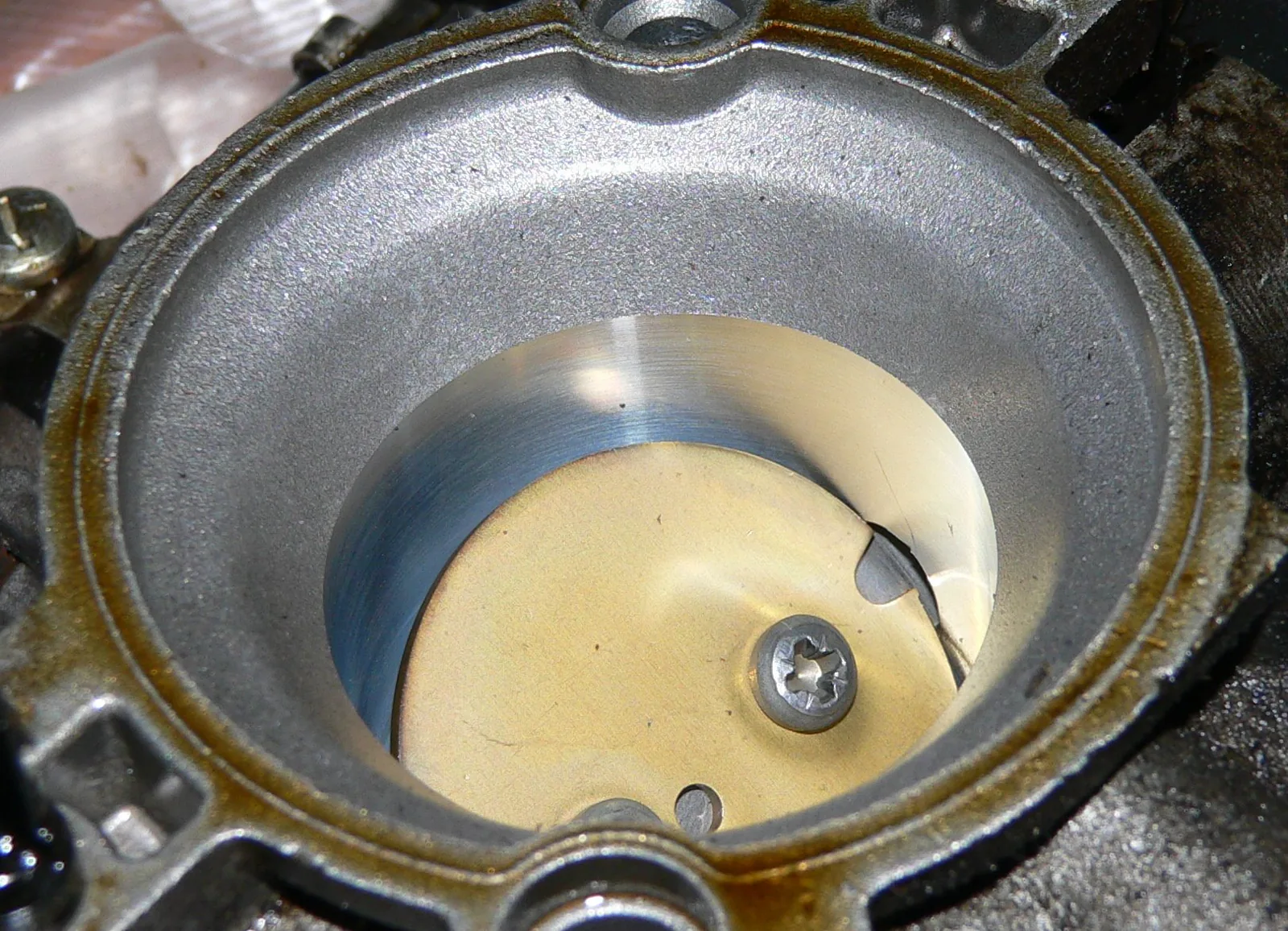

With electronic control, the accelerator-pedal sensor sends a request to the controller. The controller sets the throttle position according to that request and the engine’s operating needs. Pedal travel and plate angle therefore need not match directly. Bosch describes electronic air management as control of cylinder charge from the driver’s electrical request.
Moving the plate is different from measuring it
The throttle-position sensor reports the plate’s angle. It does not measure the mass of air passing through the opening. HELLA’s position-sensor guide explains this signal and its use in calculating fuel delivery.
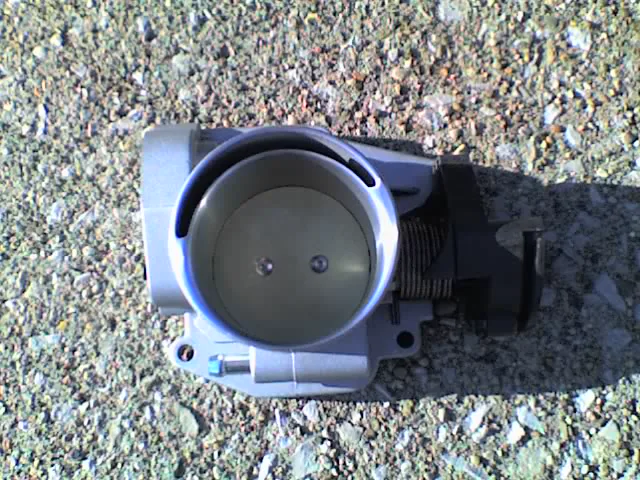

A mass-airflow sensor is another component, often upstream of the throttle when fitted. Engines can also use manifold pressure and other information to determine load; not every throttle body sits “after the MAF.” HELLA’s MAP-sensor description identifies intake-pressure measurement as a separate input.
Deposits, actuator faults, position-sensor problems or wiring faults can affect throttle operation. A position-related code is not proof that carbon is making the plate stick. Diagnosis must distinguish commanded motion, reported position and the electrical circuit before choosing a repair.
The illustrated cable throttle bodies primarily regulate air. The fuel-delivery arrangement and the intake valve’s control tasks depend on the engine; the throttle body’s appearance alone cannot establish how fuel is introduced or how engine load is calculated.
Sources
- Bosch: air management — Electronic pedal request and throttle-controlled cylinder charge
- HELLA: throttle potentiometer — Plate-angle signal and electrical fault possibilities
- HELLA: MAP sensors — Intake-pressure measurement
References checked .